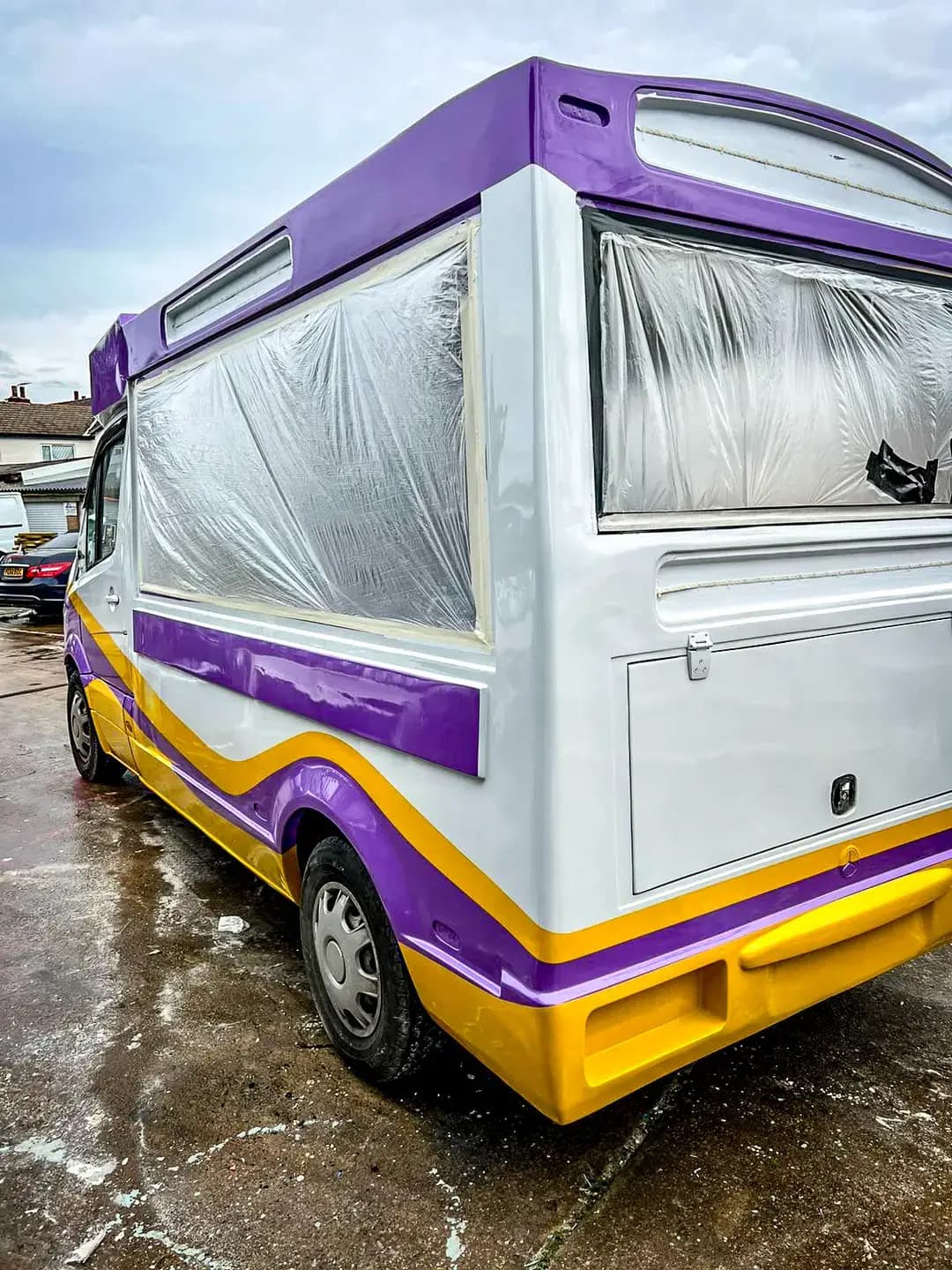
The ice cream truck: a short history
How a 1920s idea about bringing frozen treats to the street became a cultural fixture.
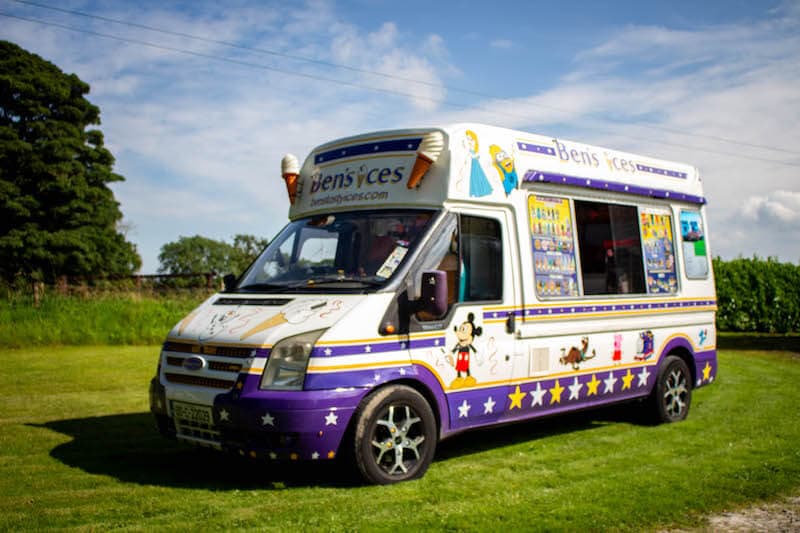
The ice cream truck dates back to the 1920s, when a handful of people worked out that instead of waiting for customers to come to the ice cream, the ice cream could go to them. It is a simple idea, and a century later it has not needed improving.
The jingle
The chime is the whole business model. It is an advertisement that travels, needs no sign and works on people who are not looking at anything. Children hear it three streets away and it is a rare adult who does not glance up.
Why it stuck
Refrigeration got cheaper, vans got more reliable, and the format turned out to suit almost any gathering. What started as a way to sell cones on a residential street now shows up at weddings, corporate campuses and festivals — the same idea in a smarter paint job.
What has actually changed
The equipment, mostly. Modern vans are self-contained, properly refrigerated, insured and food-safety registered, with trained staff. The jingle, the hatch and the queue are all exactly where they were in 1925.
The Irish version
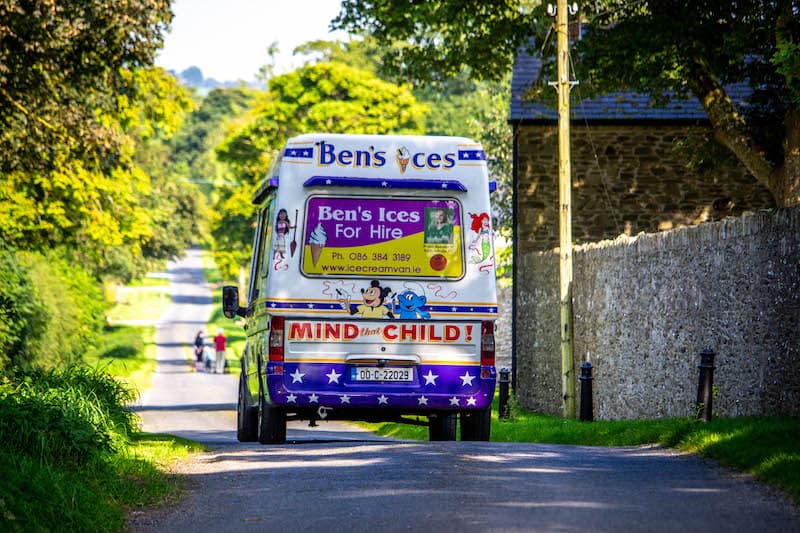
Ireland took to the van early and never really let go, helped along by a dairy industry producing very good cream. The 99 — soft serve with a Cadbury Flake pushed into it — became the default order here in a way it did not everywhere, and it is still the single most requested thing on our van by a wide margin.
What has changed in Ireland is where the van turns up. Thirty years ago it was residential streets and seaside car parks. Now most of our work is booked in advance for a specific event: a communion, a wedding, a school day, a corporate family day. The van still does the same job, but people plan it in rather than chase it down the road.